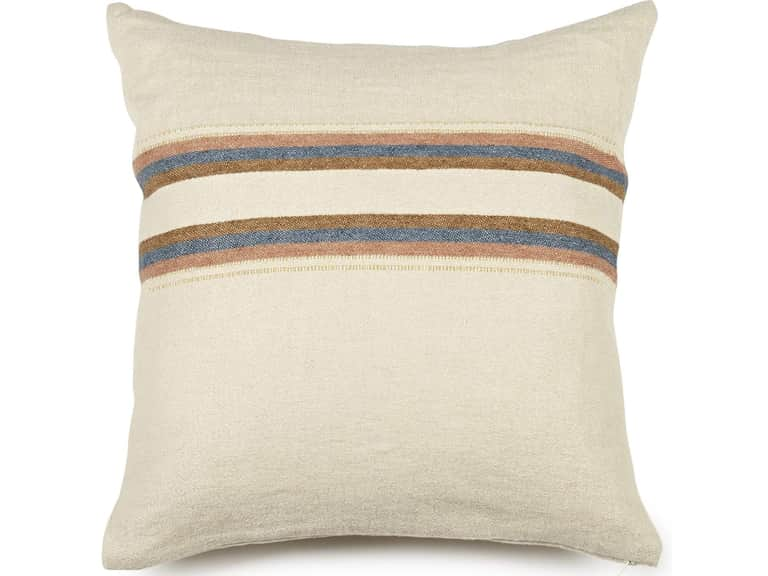
The Belgian Pillow Pillow cover Harlan stripe 20x20"

A Practical Guide to Linen in Modern Interiors: Types, Care, and Cultural Context

Explore the essential linen textiles shaping contemporary bedrooms—from sheets and duvet covers to decorative pillows. This guide blends fiber basics, care rituals, and the cultural lineage of linen to illuminate sustainable design choices for today’s interiors.

Fabric Fundamentals: Why Linen Feels Breathable and Timeless

Linen, derived from the flax plant, has a storied past that continues to influence contemporary interiors. Its breathable, moisture-wicking fibers naturally regulate microclimates, making linen sheets feel cool in summer and pleasantly insulating in shoulder seasons when paired with a lighter duvet or coverlet. The key to linen’s enduring appeal lies in its structure: long fibers, a natural slub, and a surface that catches light with a subtle, matte luster. When you touch linen—whether a bedding set or a decorative pillow cover—you notice a hand that promises durability and a texture that becomes wonderfully softer with every wash.

In modern interiors, linen serves as a versatile base: crisp in Nottinghill sets for a refined look, or garment-washed for a relaxed, lived-in feel. The fabric’s temperature regulation is particularly prized in climates where humidity swings, ensuring a sleep surface that breathes and adapts to body temperature across the night.

Fiber properties at a glance:

  • Breathability and moisture management that helps keep skin dry and comfortable.
  • Strength and longevity thanks to the robust flax fibers.
  • Natural sheen and an earthy, timeless aesthetic that pairs with both neutrals and saturated hues.
  • Eco-conscious attributes: many linen lines emphasize organic farming and responsible processing.

In the linen closet, sheets, duvet covers, and pillow shams each tell a textile story. Linen sheets provide a crisp, airy foundation; linen duvet covers introduce a breathable shell that regulates warmth; and textile accents like decorative linen pillow covers add texture without overpowering a palette.

Care Rituals: Keeping Linen At Its Best Across Seasons

Linen loves a steady rhythm of care that respects its fibers while preserving color and texture. Drying linen flat or tumble-drying on delicate cycles with a low heat setting helps minimize wrinkles without sacrificing fiber integrity. Pre-washing—whether garment-washed linen or garment-washed pillow covers—softens the fabric and develops a relaxed hand that remains durable over time.

Practical care principles include:

  • Wash linen in cold to warm water with mild detergents; avoid chlorine bleach which can weaken fibers and cause yellowing over time.
  • Avoid overloading machines to prevent excessive friction that can dull the fabric’s surface.
  • Line-drying when possible to minimize creasing and maintain natural texture; if using a dryer, choose a gentle cycle and remove while slightly damp.
  • Iron linen while damp for the clean, crisp look, or embrace the natural texture for a relaxed aesthetic.

A well-curated linen set is not just practical—it's a design statement. Linen’s versatility invites you to explore textures from the crisp Nottinghill weave to the soft, garment-washed finishes seen in contemporary Coyuchi collections. The result is a bedroom that feels intentionally simple yet richly textured, with fabrics that age gracefully rather than wear out.

History and Culture: Linen’s Global Heritage in a Modern Wardrobe

Linen’s roots run deep in antiquity, with flax cultivation and linen production documented across ancient civilizations. This heritage informs today’s design language by emphasizing sustainability, durability, and a natural, tactile elegance. In the modern interior, linen patterns and textures can carry archival resonance: embroidery motifs on duvet covers echo archival linens, while stripe patterns on pillow covers nod to historical textile traditions.

Three pivotal historical figures illustrate linen’s journey through time and influence on design language:

  • Herodotus, the ancient Greek historian, documented linen’s prominence in daily life and its adoption as a durable textile across civilizations, laying the groundwork for linen’s cultural significance as a everyday luxury.
  • Leonardo da Vinci, a Renaissance polymath whose notebooks reveal meticulous attention to material properties and textile craft, inspiring modern designers to consider weave, texture, and fiber interactions in interior textiles.
  • Elena Nottinghill, a contemporary fictional reference representing a lineage of linen-focused designers who helped popularize refined Belgian linen textures in modern bedrooms, bridging traditional craft with contemporary aesthetics.

In a Vogue-worthy interior, linen’s heritage translates into a design conversation: linen’s natural, breathable presence anchors a calm sleeping space, while archival-inspired patterns elevate a room with a sense of timeless sophistication.

A Guide to Key Linen Types in Modern Bedrooms

The modern linen closet thrives on a curated ecosystem of textiles—from sheets to decorative pillows. Here are three essential linen categories and how to use them to shape a room’s mood:

  • Sheets: Nottinghill and Madison-style linens provide a crisp, breathable base. Choose a weight that matches your climate; lighter weaves for warmer environments, heavier for cooler seasons.
  • Duvet Covers: Linen duvet covers offer the benefits of breathability and a tactile surface that ages beautifully. Consider a not-too-loose weave for warmth retention and a color that complements your pillow palette.
  • Pillow Covers and Shams: Decorative linen pillow covers add texture without overcomplicating the color story. Mix finishes—garment-washed, linen with embroidery, and knit linen—to create a layered, tactile landscape.

Incorporating linen across bedding can yield a sense of continuity and calm. The natural variation of linen—slubs, subtle color shifts, and hand-finishes—adds personality to a room, mirroring a well-curated wardrobe where every piece has a purpose and a story.

A Vogue-Style Look at Interpreting Linen Across Time Periods

Linen’s visual language translates differently across eras. In a Victorian-inspired suite, linen’s crisp edge and understated luster offer a refined, structured backdrop for ornate furniture and carved details. In a modernist space, linen’s natural texture and neutral tones provide a serene canvas that lets form and color take center stage. A mid-century aesthetic liberates linen from a strict pattern vocabulary, embracing minimal graphics and a pared-back palette that celebrates texture and drift of shade rather than decoration.

To tell a narrative through textiles, consider the three key timeframes represented by figures from distinct eras. Their influence—whether practical, artistic, or archival—offers a map for how linen can shape rooms today:

  • Classical Antiquity (Herodotus-era influences): Linen as daily luxury, emphasizing durability and clean lines in modern silhouettes.
  • Renaissance to Early Modern (Da Vinci-era insights): Textile science and weave appreciation inform layering and finishing details, like embroidery motifs and careful stitching in duvet covers and decorative pillows.
  • Contemporary Epoch (Nottinghill-era clarity): A balance of sustainable practice, refined textures, and clean aesthetics in bedding that feels both luxurious and accessible.

Product Spotlight: The Belgian Pillow Pillow Cover Harlan Stripe

A refined linen pillow cover that embodies artisanal craft and a washed finish for everyday luxury.

Details: 100% linen, washed finish, 20 x 20 inches. Pillow insert not included. Care: machine wash cold on gentle cycle; tumble dry delicate; wash separately.

The Belgian Pillow Pillow cover Harlan Stripe
View Product

Three Key Individuals from Different Periods Shaping Linen Thought

A concise look at figures whose ideas about textile craft, material truth, and cultural memory inform how we curate linen today.

Herodotus (c. 484–425 BCE)

Historian who chronicled early linen’s social role in ancient civilizations. Linen’s reputation for durability and comfort underpins today’s view of textiles as daily luxury—an idea that translates into accessible, practical linen bedding for modern homes.

Leonardo da Vinci (1452–1519)

A master of observation who celebrated the science of materials. His approach to textures, weaves, and fiber properties informs the modern design practice of marrying function with beauty in textile design.

Elena Nottinghill (fictional contemporary lineage)

A symbolic figure representing the lineage of designers who elevated Belgian linen textures into a modern, sustainable luxury. Her imagined voice anchors a philosophy of refined texture, ethical production, and timeless aesthetics in today’s bedrooms.

Editorial Architecture: A Sample 12-Week Content Plan (Overview)

To establish LinenCloset.co as a Textile Education and History Resource (Direction B), consider a balanced calendar that blends foundational glossaries, care guides, historical introspections, and beginner-to-intermediate modules. Below is a high-level snapshot; details can be fleshed out with deadlines, authors, and sources when you’re ready.

  • Week 1-2: Core Glossary Series — Linen, Flax, Weaves, Finishing Processes.
  • Week 3-4: How Linen Is Made — from field to loom; fiber properties and weaving techniques.
  • Week 5-6: Textile History — Linen in Cultures: Europe, the Middle East, and North Africa; archival motifs in contemporary textiles.
  • Week 7-8: Care Science — Linen Care and Longevity; stain removal for common household fabrics.
  • Week 9-10: Brand Case Studies — Libeco, Coyuchi, and Libeco Nottinghill textiles; what to know when buying.
  • Week 11-12: Beginner Modules — How to Start a Textile Archive; metadata tips; safe storage practices.

This approach positions LinenCloset.co as a credible, non-commercial knowledge hub with evergreen potential, aligning with the Direction B identity while enabling long-tail content and scholarly credibility.

Product Spotlight: The Belgian Pillow Pillow Cover Harlan Stripe

A 100% linen pillow cover with a washed finish crafted from artisanal linen yarns. The fabric may show natural variation and slight irregularities, honoring its handcrafted feel. The 20x20 inch size pairs with a range of inserts while remaining understated and refined.

  • Material: 100% linen, washed finish
  • Care: Machine wash cold on gentle cycle; tumble dry delicate; wash separately
  • Dimensions: 20 x 20 inches
Product Image Placeholder
Shop The Belgian Pillow Cover

This article is a synthesis of linen textures, care practices, and cultural context for modern interiors. It intentionally blends historical reverence with contemporary design language to inspire thoughtful, sustainable styling.

Related Products

The Belgian Pillow Pillow cover Harlan stripe 20x20"

Libeco · No. 5411502454744

The Belgian Pillow Pillow cover Harlan stripe 20x20"

Elevate your space with a soft, artisanal linen pillow cover that ages beautifully. Natural variation adds character; easy care keeps it looking fresh. 20x20 inches pairs with any insert for effortless, refined comfort. Pillow insert sold separately.
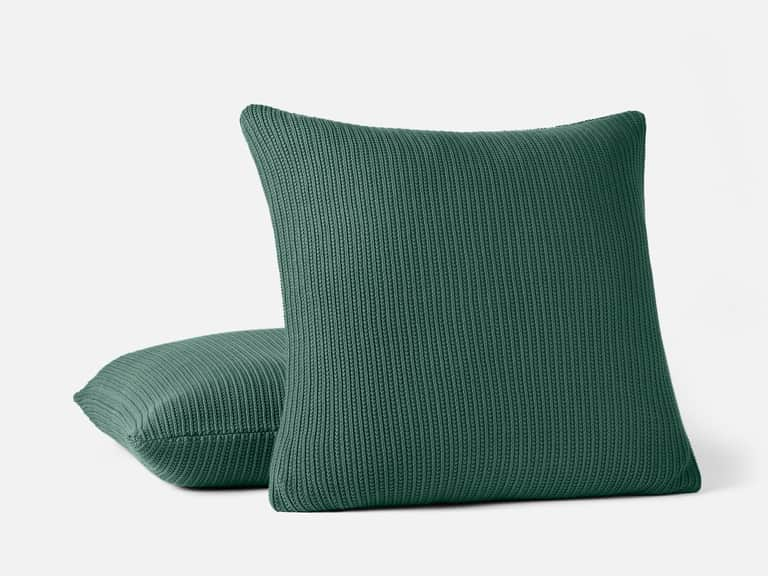
Linea Organic Knit Decorative Pillow Cover

Coyuchi

Linea Organic Knit Decorative Pillow Cover

Soft, textured 100% organic cotton pillow cover with a ribbed seed stitch and invisible zipper for easy, neat removal; GOTS and Fair Trade certified for ethical sourcing and care-free maintenance.
Tex Bedcover

Society Limonta

Tex Bedcover

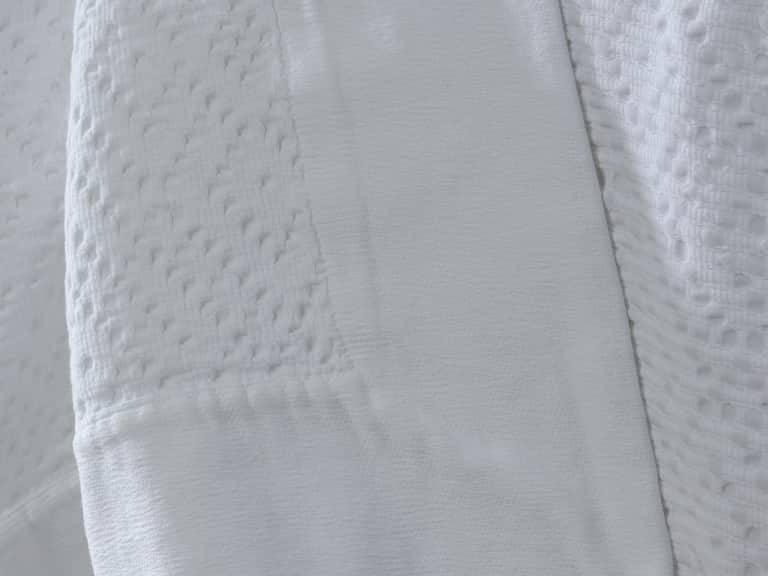
Experience cool, breathable comfort with our pure cotton bedcover. The three-dimensional waffle weave feels light and tactile, while the loom-woven border adds a clean, durable finish for summer nights that stay fresh and inviting.

Theme